

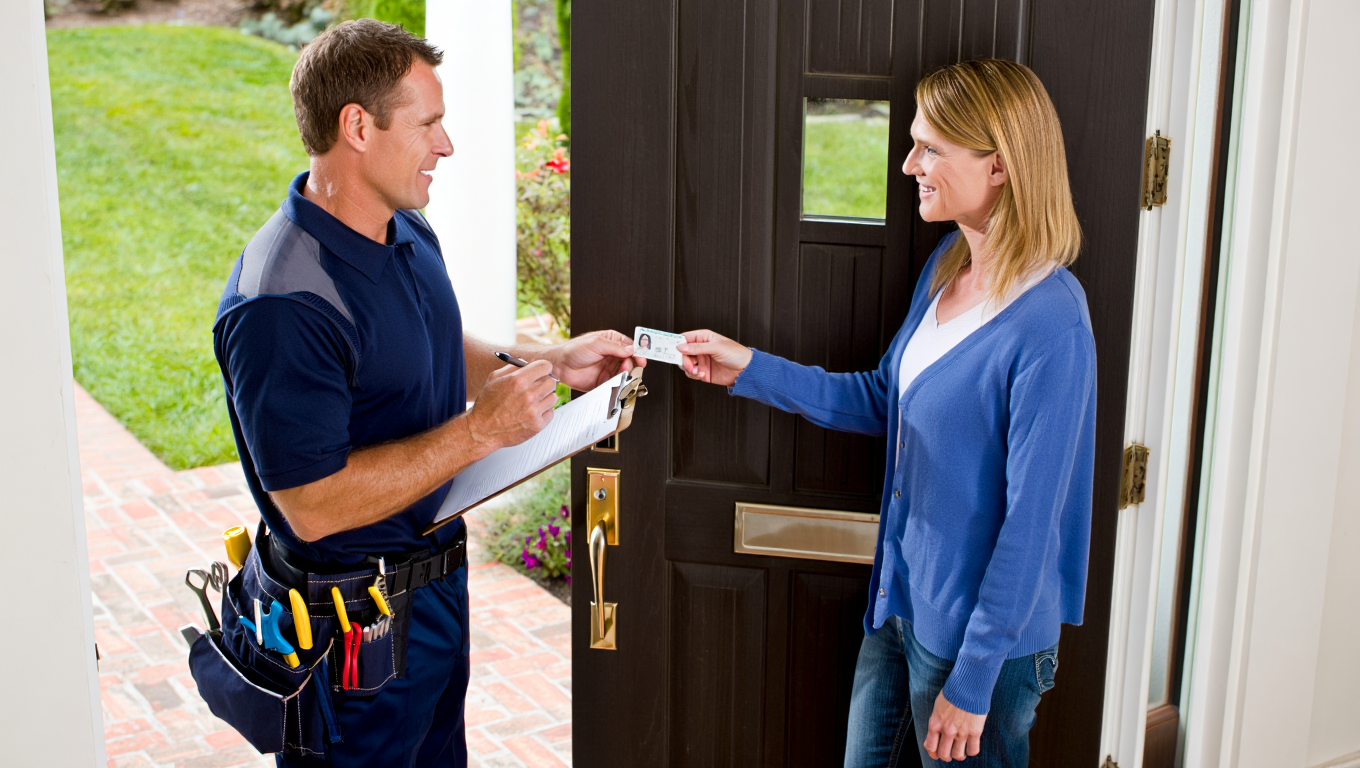
When someone calls a locksmith for help during a lockout, the technician cannot simply unlock the door without verifying who is requesting access. Many people are surprised to learn how strict the process is and often ask how locksmiths verify ownership before unlocking a door or car. Professional locksmiths follow security protocols designed to protect homeowners, businesses, and vehicle owners from unauthorized access.
Whether someone is locked out of a house, business, or vehicle, technicians who provide emergency locksmith services must confirm that the person requesting help has a legitimate right to access the property.
Why Locksmiths Must Verify Ownership
Locksmiths possess specialized tools that allow them to open doors without keys. Because of this capability, ethical locksmith companies follow strict procedures before unlocking any property.
The purpose of ownership verification is to prevent unauthorized entry. Without these checks, someone could potentially request a locksmith to open property they do not legally own.
Professional locksmiths take these responsibilities seriously because protecting property security is a core part of the industry.
Security and Legal Responsibilities
Locksmiths operate under professional and legal guidelines that require them to verify authorization before performing certain services.
This process protects both the property owner and the locksmith.
It also helps prevent situations where someone attempts to gain access to property without permission.
Many customers first encounter this process when requesting help from a mobile locksmith technician during a lockout situation.
Common Ways Locksmiths Verify Ownership
There are several common ways locksmiths confirm that a person has the right to access the property before unlocking a door or vehicle.
Photo Identification
One of the most common verification methods is checking a government issued photo ID.
This identification should match the address of the property or provide proof that the person requesting service is associated with the location.
Examples of acceptable identification may include:
- Driver’s license
- State identification card
- Passport
If the identification shows the correct address, the locksmith can proceed with greater confidence that the request is legitimate.
Vehicle Registration
When unlocking a car, locksmiths often ask to see the vehicle registration. This document confirms ownership of the vehicle.
The registration should match the name on the customer’s identification.
This step is common when drivers request help from technicians who specialize in professional vehicle and door unlocking services.
Utility Bills or Lease Agreements
If someone is locked out of their home and their identification does not show the address, locksmiths may request alternative documentation.
These documents can include:
- Utility bills showing the address
- Lease agreements
- Mortgage paperwork
These documents help confirm that the individual lives at the property.
What Happens If You Do Not Have Proof of Ownership
Sometimes customers are locked out without their wallet, identification, or documents. In these situations locksmiths may use alternative methods to verify authorization.
Possible options include:
- Waiting until the customer retrieves identification
- Contacting building management or property owners
- Verifying information through neighbors or security personnel
Although these situations can take additional time, locksmiths must prioritize security and follow proper verification procedures.
Locksmiths and Scam Prevention
Ownership verification also helps protect customers from locksmith scams. Legitimate locksmith companies follow ethical standards and refuse to unlock property without confirming authorization.
Customers who want to protect themselves from dishonest providers often research resources explaining how to avoid locksmith scams.
Reputable locksmiths are transparent about pricing, identification requirements, and the services they provide.
How Professional Locksmiths Maintain Trust
The locksmith profession relies heavily on trust. Customers allow locksmiths to access homes, vehicles, and businesses during vulnerable situations such as lockouts.
By verifying ownership before unlocking property, locksmiths demonstrate professionalism and commitment to security.
These procedures protect both the customer and the locksmith from potential legal issues.
Situations Where Verification Is Always Required
Locksmiths must verify authorization in several specific situations before providing service.
These include:
- Residential lockouts
- Vehicle lockouts
- Commercial building access
- Safe opening services
In each case, verifying ownership ensures the locksmith is helping the rightful owner or authorized user of the property.
Frequently Asked Questions
Do locksmiths always ask for identification?
Yes. Professional locksmiths typically request identification or documentation before unlocking property.
What if my ID is inside the locked house?
If your identification is inside the property, locksmiths may verify ownership after entry or request additional proof such as utility bills.
Can a locksmith unlock a car without proof of ownership?
Most locksmiths will ask for vehicle registration or identification before unlocking a vehicle.
Why do locksmiths refuse service sometimes?
If ownership cannot be verified, a locksmith may refuse service to prevent unauthorized access.
Are locksmiths required to verify ownership by law?
While regulations vary by location, ethical locksmith companies follow verification procedures to protect property owners and maintain professional standards.
Conclusion
Locksmiths play an important role in protecting homes, vehicles, and businesses. Verifying ownership before unlocking property helps prevent unauthorized access and protects customers from potential security risks.
If you ever experience a lockout and need assistance, you can contact a Houston locksmith technician or learn more about available locksmith services in Houston.
For additional information about personal security and protecting property access, the Cybersecurity and Infrastructure Security Agency physical security guidance provides useful recommendations.