

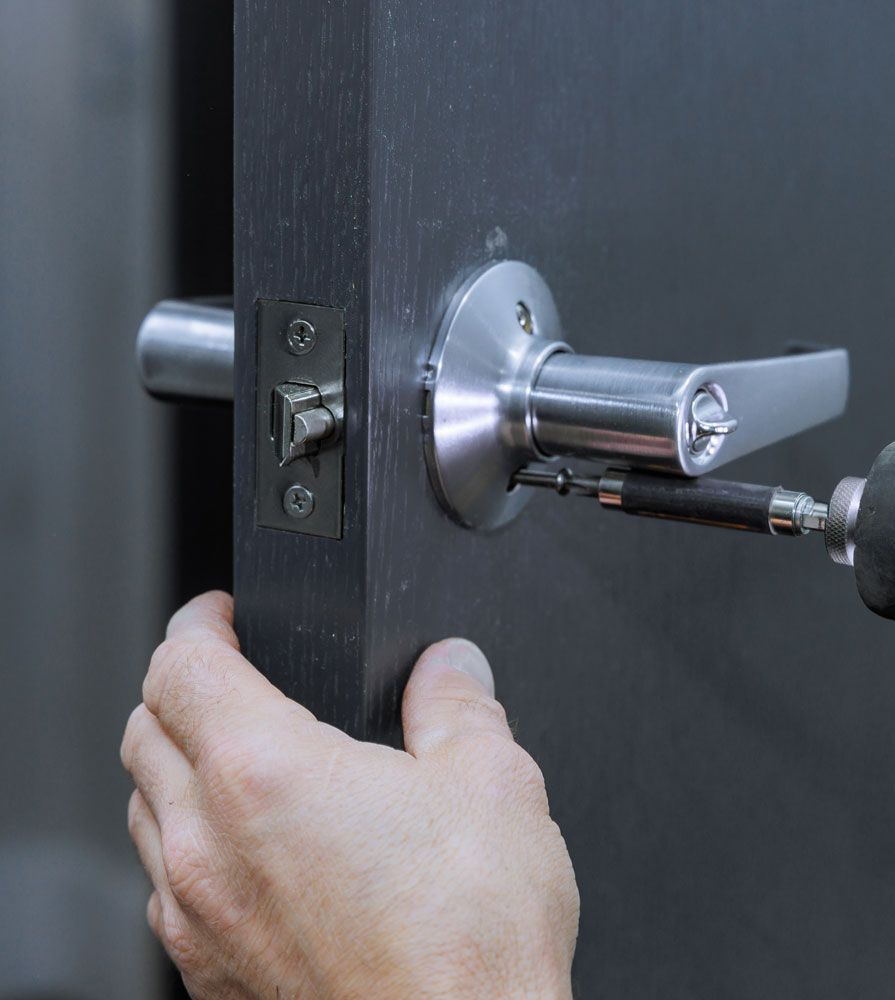
Breaking a key inside a door lock can be frustrating and inconvenient, especially when you need to access your home or business quickly. Knowing how to remove a broken key from a door lock can help you avoid damaging the lock and restore access safely. While some situations can be handled with simple tools, others require the expertise of a professional locksmith to prevent further damage to the lock cylinder.
Locks are delicate mechanical systems made of springs, pins, and precisely cut components. When part of a key snaps off inside the lock, the broken fragment can prevent the internal pins from moving properly. If the key cannot be removed carefully, it may block the lock completely or damage the cylinder. In these cases, calling experienced emergency locksmith professionals can often resolve the problem quickly and without replacing the entire lock.
Why Keys Break Inside Door Locks
Keys typically break because of wear, pressure, or internal lock problems. Over time, metal keys weaken from repeated use and friction inside the lock.
Common causes of broken keys include:
- Using excessive force when turning the key
- Old or worn keys that have weakened metal
- Misaligned door locks
- Debris or dirt inside the lock cylinder
- Damaged or worn lock components
Understanding the structure of locks can help explain why this happens. If you’re curious about how the internal components function, guides explaining the anatomy of door locks provide insight into how pins, springs, and key cuts interact to operate a lock.
Steps to Remove a Broken Key from a Lock
If part of the key is still visible, there are a few methods you can try before calling a locksmith. However, these steps should be performed carefully to avoid pushing the key deeper into the lock.
1. Check if Part of the Key Is Protruding
If a portion of the key is sticking out of the lock, you may be able to grip it with small pliers or tweezers and gently pull it out.
Use steady pressure and avoid twisting the key fragment. Twisting can push the broken piece deeper or bend internal lock pins.
2. Use Lubrication
Applying a small amount of lock lubricant can reduce friction and help loosen the key fragment. This allows the broken piece to slide out more easily.
Never force the lock during this process. Excess pressure can damage the lock cylinder and lead to more expensive repairs.
3. Try a Broken Key Extractor Tool
Professional locksmiths often use specialized extraction tools designed specifically for broken keys. These thin metal tools hook onto the key fragment and pull it out safely.
Attempting extraction without the correct tools can make the situation worse, especially if the broken piece becomes wedged deeper inside the lock.
When to Call a Locksmith
If the key fragment is fully inside the lock or extraction attempts fail, professional help is usually the safest option. Locksmiths use specialized extraction tools designed to remove broken keys without damaging the lock.
Many homeowners rely on a mobile locksmith technician to come directly to their location and remove the broken key on-site.
Locksmiths can also determine whether the lock itself was damaged when the key broke. If necessary, they can repair or replace the lock cylinder during the same visit.
Locksmith Techniques for Removing Broken Keys
Professional locksmiths use several techniques depending on how deeply the key is stuck in the lock.
- Specialized key extraction tools
- Lock disassembly
- Cylinder removal
- Precision extraction using probes
Because locksmiths understand how locks function internally, they can remove the broken piece without damaging delicate components.
If the lock cannot be repaired, technicians may recommend replacing or rekeying the lock through professional door unlocking and lock repair services.
Preventing Keys from Breaking in the Future
Although broken keys can happen unexpectedly, there are several steps you can take to reduce the risk.
- Replace worn or bent keys
- Lubricate locks regularly
- Avoid forcing keys when a lock sticks
- Repair misaligned doors and locks
- Keep spare keys available
Routine lock maintenance can significantly extend the life of both the key and the lock cylinder.
What Happens If the Lock Is Damaged
Sometimes the key breaks because the lock itself is worn or malfunctioning. In these cases, removing the broken key may not fully solve the problem.
If the internal pins or springs are damaged, the lock may require repair or replacement. Locksmiths can evaluate the condition of the lock and recommend the best solution.
Homeowners dealing with repeated lock issues often benefit from professional lock repair and emergency locksmith services to restore proper function and security.
Frequently Asked Questions
Can you remove a broken key without a locksmith?
If part of the key is visible, it may be possible to remove it with pliers or tweezers. However, if the key is stuck deep inside the lock, professional extraction tools are usually required.
Will removing a broken key damage the lock?
If done carefully, the lock should not be damaged. Forcing tools into the lock or pushing the key further inside can cause damage.
How long does it take a locksmith to remove a broken key?
Most professional locksmiths can extract a broken key within minutes using specialized tools.
Should I replace the lock after a key breaks?
Not always. If the lock was not damaged during the break, it can usually continue functioning normally once the fragment is removed.
What should I do if my door will not open after the key breaks?
If the door remains locked, a locksmith can safely unlock it and remove the broken key without damaging the door or lock.
Conclusion
Learning how to remove a broken key from a door lock can help you respond calmly when this common problem occurs. While simple extraction methods may work if part of the key is visible, deeper fragments often require professional tools to remove safely.
If a key breaks inside your lock and you need immediate assistance, you can contact a local Houston locksmith for help or learn more about available professional locksmith services in Houston.
For additional information about lock safety and residential security, organizations such as the Federal Trade Commission home security resource provide helpful advice on protecting homes and maintaining door locks.