

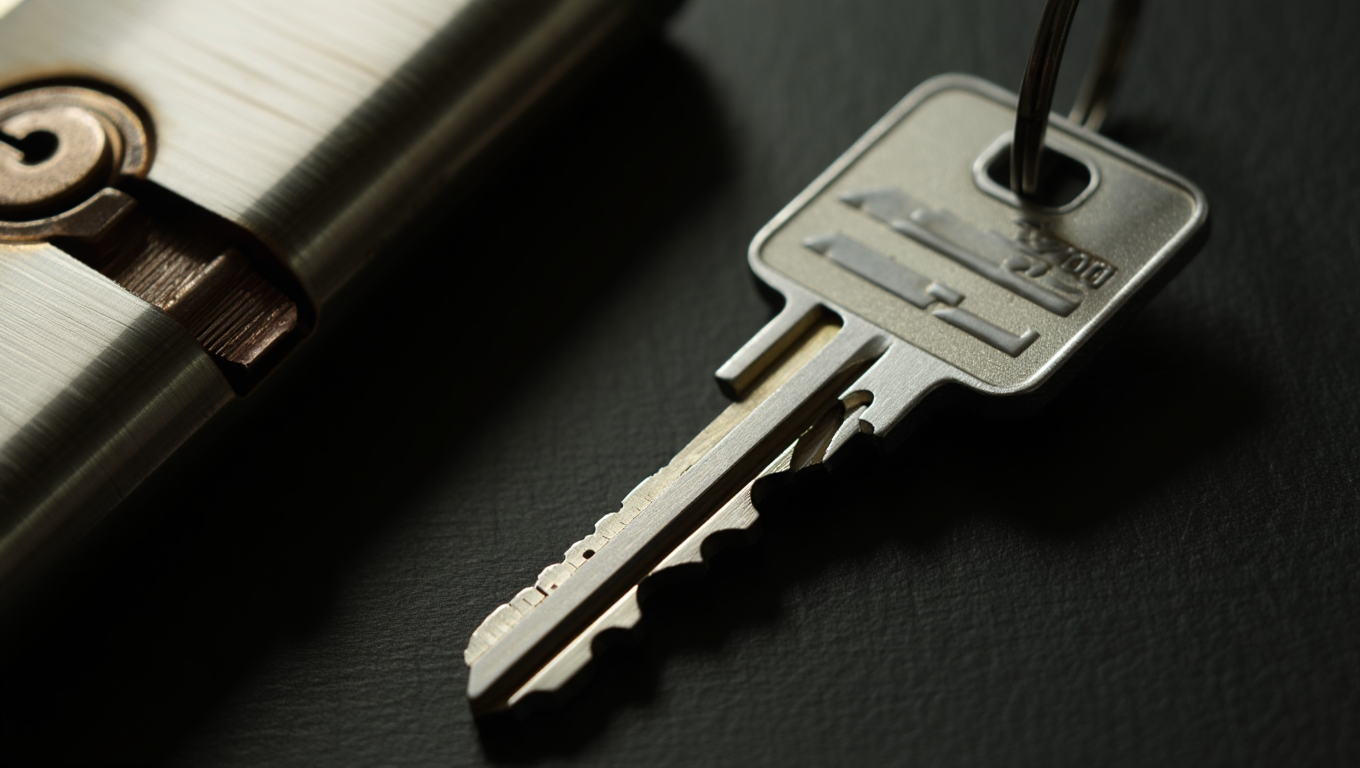
Businesses, property managers, and homeowners who want stronger access control often explore advanced lock systems designed to prevent unauthorized duplication. Understanding restricted keyways vs high security keys helps explain how modern locking systems provide greater protection than traditional keys. These specialized systems are designed to control who can duplicate keys and to make locks more resistant to picking or forced entry.
High security locks and restricted keyways are commonly used in commercial buildings, apartment complexes, and properties that require tighter key control. Locksmith professionals who install high security lock systems help property owners maintain control over key duplication and building access.
Restricted Keyways vs High Security Keys Explained
Although these terms are sometimes used interchangeably, restricted keyways and high security keys serve slightly different purposes. Both systems improve security, but they focus on different aspects of lock protection.
A restricted keyway controls who can duplicate keys, while high security locks include additional mechanical protections designed to resist picking, drilling, and other forms of forced entry.
What Is a Restricted Keyway?
A restricted keyway is a lock design that limits who can duplicate the key. Only authorized locksmiths or approved vendors are allowed to create copies.
Unlike standard keys that can be duplicated at hardware stores, restricted keyways use specialized key blanks that are not available to the public.
Property owners often install restricted key systems when they want strict control over how many keys exist and who has access to them.
Businesses frequently implement these systems as part of broader security strategies described in guides covering restricted keyway security systems.
How Restricted Keyways Improve Security
Restricted keyways prevent unauthorized key duplication, which is one of the most common security risks for businesses and multi-tenant buildings.
Key control is critical for organizations that need to track access permissions carefully.
Restricted keyways provide several advantages:
- Unauthorized key duplication is prevented
- Key blanks are tightly controlled
- Property managers maintain full key control
- Keys can only be copied with proper authorization
These systems are particularly valuable for schools, offices, hospitals, and apartment complexes where security and accountability are important.
Restricted Keyway Master Key Systems
Many restricted keyway systems are used within master key systems. A master key structure allows different levels of access within a building.
For example:
- Employees may access only specific rooms
- Managers may access multiple areas
- Maintenance staff may have broader access
- Property owners may hold master access
These systems allow large buildings to manage access efficiently. Property managers often explore options such as restricted keyway master systems when designing building security plans.
What Are High Security Keys?
High security keys are designed to work with advanced locks that include additional protection against lock picking, drilling, and forced entry.
These locks often include complex internal mechanisms such as sidebars, security pins, or rotating pin designs that make them much harder to manipulate.
High security keys typically have unique shapes or angled cuts that require specialized cutting machines.
Because of their design, they are much harder to duplicate and significantly more difficult for intruders to defeat.
Features of High Security Locks
High security lock systems often include several advanced features:
- Drill resistant materials
- Anti pick pin configurations
- Restricted key duplication systems
- Unique key designs
- Advanced lock cylinders
These features work together to protect both the lock mechanism and the key duplication process.
Detailed explanations of how these specialized lock systems function can be found in guides explaining how restricted keyways operate.
Which System Is Better for Security?
Restricted keyways and high security locks often work together rather than competing against each other.
A restricted keyway controls who can duplicate keys, while high security locks protect the lock mechanism from attack.
Combining both systems creates a powerful security solution.
For example, a building may install high security locks with restricted keyways to ensure that:
- Unauthorized copies cannot be made
- Locks resist physical tampering
- Access control is maintained
Common Applications for Restricted and High Security Locks
These advanced lock systems are commonly installed in properties where controlling access is critical.
Examples include:
- Office buildings
- Hospitals and healthcare facilities
- Apartment complexes
- Schools and universities
- Government buildings
Homeowners also increasingly install high security locks to protect their homes and prevent unauthorized duplication of house keys.
Can Restricted Keyways Be Picked?
While no lock is completely impossible to defeat, restricted keyway and high security locks are designed to be significantly more resistant to common entry techniques.
These locks include design features that make picking far more difficult than with standard locks.
Some people explore the topic further through discussions such as whether restricted keyways can be picked.
However, the goal of high security locks is to dramatically increase the time and effort required to compromise the lock.
When to Install High Security Locks
Property owners often upgrade to high security locks when:
- Managing multiple employees or tenants
- Protecting sensitive areas
- Improving building security
- Preventing unauthorized key duplication
Security professionals frequently recommend these systems for businesses or properties where access control is critical.
If you want guidance on improving building security, you can reach a professional Houston locksmith or explore available locksmith services in Houston.
Frequently Asked Questions
What is the purpose of a restricted keyway?
A restricted keyway prevents unauthorized duplication of keys by limiting access to specialized key blanks.
Are high security locks worth it?
High security locks provide stronger resistance against picking, drilling, and unauthorized duplication.
Can hardware stores copy restricted keys?
No. Restricted key blanks are controlled and typically available only through authorized locksmith providers.
Do high security locks prevent break ins?
They significantly increase resistance against forced entry but should be combined with other security measures.
Who uses restricted keyway systems?
Businesses, property managers, institutions, and homeowners who want strong key control commonly use these systems.
Conclusion
Restricted keyways and high security keys provide powerful tools for improving property security and controlling access. While restricted keyways focus on controlling who can duplicate keys, high security locks protect the lock mechanism from physical attacks.
Combining both technologies creates a layered security system that is widely used in commercial buildings and increasingly popular in residential properties. For more information about modern lock security standards, the National Institute of Standards and Technology security publications provide useful insight into modern physical security technologies.