

Restricted Keyway Master Systems Explained
restricted keyway master systems combine two powerful ideas: key duplication control (restricted keyways) and tiered access (master key hierarchy). This page is a plain-English guide to what they are, how they work, and when they make sense for commercial properties in Houston.
If you are trying to solve a real business security problem right now, start with our hub so you can choose the correct service path: locksmith services. For commercial work specifically, see: commercial locksmith services.
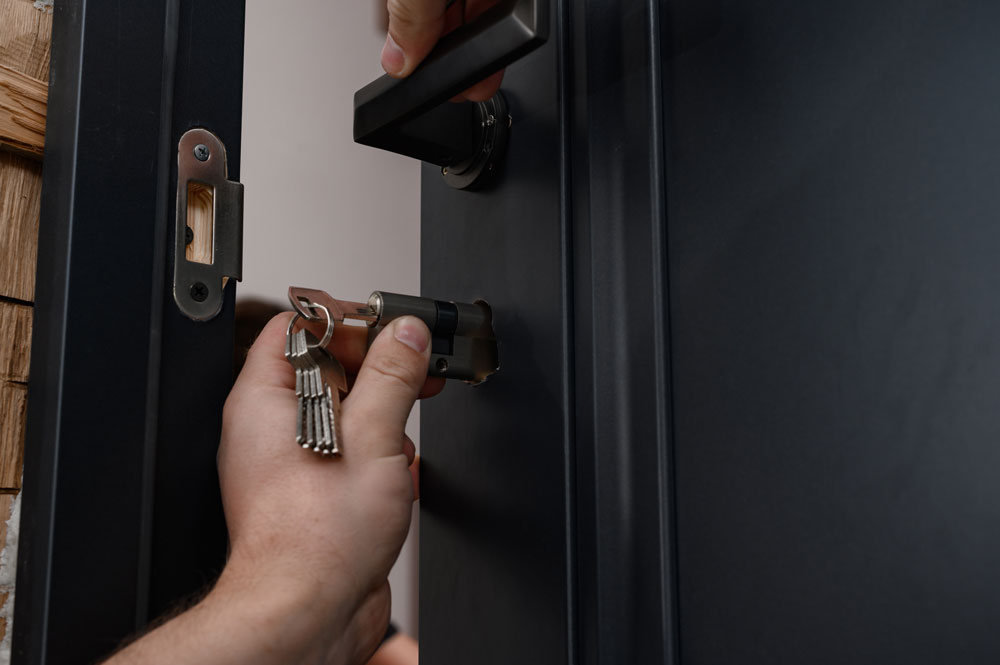
What Is a Restricted Keyway?
A restricted keyway is designed to reduce unauthorized key duplication. Unlike standard keys that can be copied at kiosks and hardware stores, restricted keys are controlled through authorized channels so you can manage who is allowed to request copies.
Why businesses care about restricted keys
- Key control: fewer surprise copies floating around
- Accountability: cleaner tracking of who has access
- Reduced access creep: limits “extra keys” that never get returned
- Better long-term security posture: especially for turnover-heavy environments
If you want a dedicated restricted key control solution for commercial properties, see our service page: InstaKey security systems.
What Is a Master Key System?
A master key system is a lock-and-key hierarchy that assigns access by role. Instead of issuing a different key for every door, you create a structured plan so staff keys open only what they should, managers open more, and ownership retains top-level control.
Master key systems are ideal for multi-door environments because they reduce key clutter while preserving access boundaries. For the full service breakdown, see: master key systems.
Common access levels in a master key hierarchy
- Change key: opens one door or a small set of doors
- Master key: opens a defined group (suite, department, floor)
- Grand master: opens multiple groups across a building
Where restricted keyways fit in
- Master key convenience without “anyone can copy it” risk
- Cleaner turnover handling when keys go missing
- Better key issuance discipline for property managers and operations
Restricted Keyway + Master Key System
When you combine a restricted keyway with a master key hierarchy, you get both: controlled duplication and tiered access. This combination is common for multi-tenant buildings, offices with departments, and facilities with sensitive areas.
Multi-Tenant & Property Management
Tenant keys stay limited to their doors, while management can access appropriate areas without carrying 40 keys.
Employee Turnover & Key Control
Restricted duplication reduces surprise copies. When access changes, a targeted rekey is often the fastest security reset.
Higher Security Hardware
Restricted keys work best when paired with quality cylinders and correct installation so the door actually holds up under stress.
How Restricted Key Systems Actually Reduce Risk
Most access problems are boring and internal: keys that were copied “just in case,” keys that never came back after turnover, and keys that drift into the wrong hands. Restricted key systems help reduce that risk by tightening duplication control and pushing better key management habits.
For additional technical background on mechanical lock performance grades and key control standards, you can review resources from the Builders Hardware Manufacturers Association (BHMA), which publishes industry-recognized lock performance standards.
Common situations where restricted keys are worth it
- Multi-tenant buildings with frequent move-ins and move-outs
- Businesses with vendors, cleaners, contractors, or rotating staff
- Facilities with sensitive spaces (records rooms, IT closets, cash areas)
- Properties that have experienced unauthorized entry or missing keys
When a rekey or lock change is still necessary
Restricted keys reduce duplication risk, but they do not magically cancel keys already in circulation. If keys are missing, stolen, or you suspect unauthorized access, your best move is usually a rekey or lock change to revoke old access quickly. See: lock change and rekey services.
Recommended Next Step for Commercial Properties
If you are evaluating restricted keys, master key hierarchy, or key control after turnover, the fastest path is a short on-site assessment. The goal is to map doors, define access roles, and recommend the simplest secure setup that still scales.
- Commercial-first planning: door count, traffic level, and risk profile
- Access roles: tenant, staff, maintenance, management, ownership
- Key control: who can request duplicates and how you track keys
- Clean implementation: hardware selection and correct installation
Start with: commercial locksmith services or browse the full hub: services.

Restricted Keyway Master System FAQs
Q: What is a restricted keyway?
Q: Is a restricted keyway the same as a high-security lock?
Q: How does a restricted keyway work with a master key system?
Q: When should I rekey instead of adding restricted keys?
Q: What is the best starting point for a commercial key control plan?
Need Help Choosing the Right Setup?
We can recommend the cleanest path based on your doors, turnover, and key control needs. Call 832-690-1640 for commercial guidance and next steps.